Porsche Sonderwunsch: the special wishes program from 1955 to today
- Filed by
- PorschePrototype.com Editors
- Filed
- Sources checked
- 3 listed below
.jpg)
This record covers
- What Sonderwunsch means and where it began
- The 1978 department and its famous cars
- How Sonderwunsch relates to Porsche Exclusive Manufaktur
- What Sonderwunsch offers today and what it costs
Short answerSonderwunsch is German for “special wish” and is Porsche’s name for building cars to individual customer requests. It traces back to 1955, when Alfried Krupp had a rear wiper added to his 356 A. Porsche formally founded a Sonderwunsch department in 1978, which built the first factory slant-nose 930s. Its work fed into Porsche Exclusive from 1986, and the Sonderwunsch name was revived in 2021 for one-offs, bespoke options and factory restorations, priced individually.
- First recorded request
- 1955, rear wiper on a 356 Adocumented
- Department founded
- 1978documented
- Revived
- 2021documented
- Price list
- None publishedunknown
Sonderwunsch is where Porsche production cars and Porsche one-offs meet. Many of the rarest “factory” variants people try to verify, from 1980s slant noses to modern one-offs, came out of this programme, which is why its paperwork habits matter.
What does Porsche Sonderwunsch mean?
Porsche Sonderwunsch means “special wish”. It is Porsche’s term for building or modifying a car to an individual customer’s request, beyond the options on the price list.
Where did Sonderwunsch begin?
Sonderwunsch began in 1955, when industrialist Alfried Krupp von Bohlen und Halbach asked Porsche’s repair department in Zuffenhausen to fit a rear window wiper to his 356 A coupé, an unusual feature then. Requests grew more technical through the 1960s and 1970s, from a 1968 911 2.0 rally car with a tubular frame to a 1975 conversion of a 917 race car for road use.
When was the Sonderwunsch department founded?
| Year | Milestone |
|---|---|
| 1955 | Krupp’s 356 A rear wiper, the first recorded special request |
| 1978 | Sonderwunsch department founded under Rolf Sprenger |
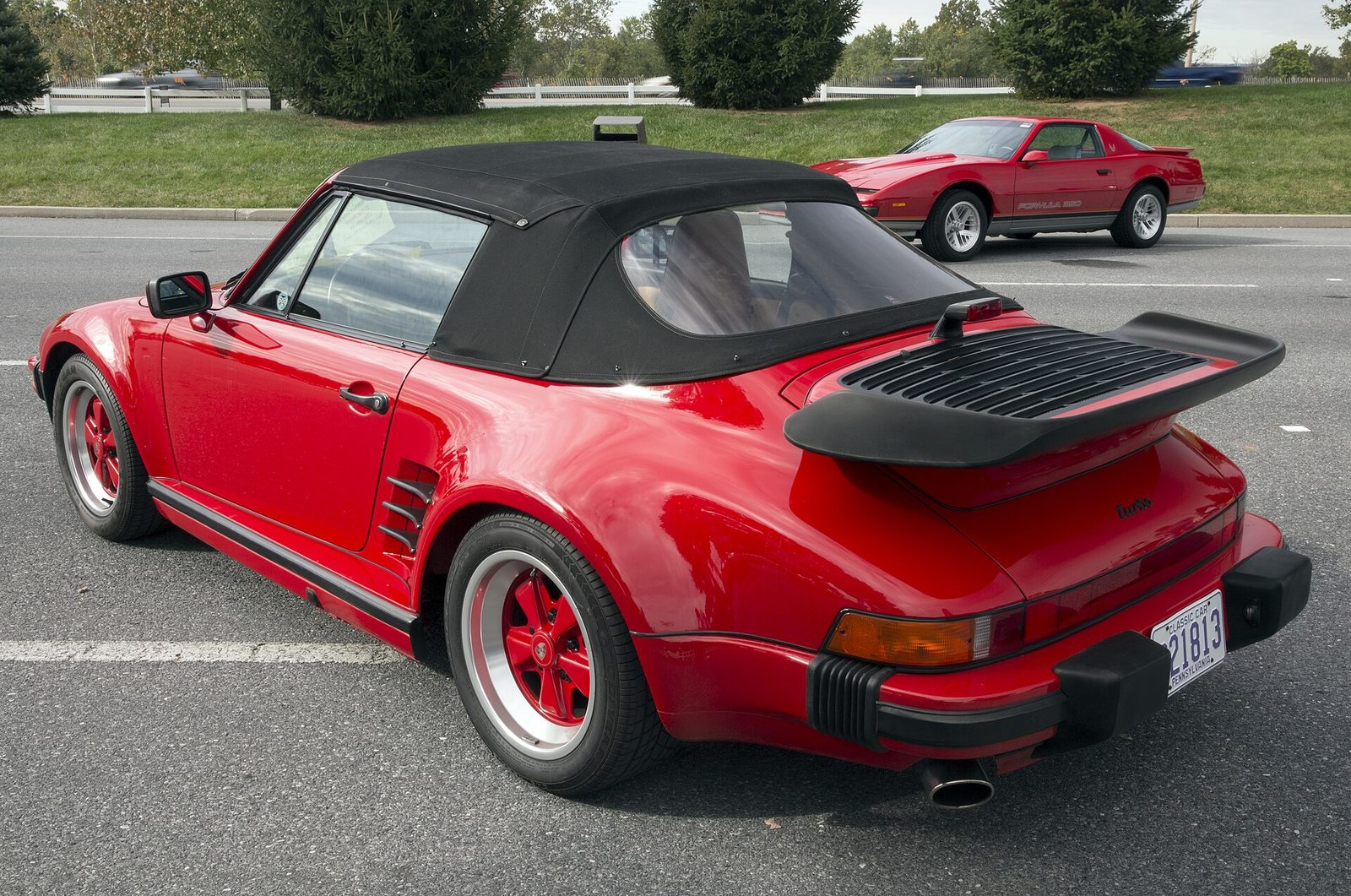
| 1981 | First slant-nose 930 Turbos built on request |
| 1983 | Mansour Ojjeh’s road-going 935 “Street” |
| 1986 | Porsche Exclusive programme established |
| 1987 | Slant nose offered as options M505 and M506 |
| 2021 | Sonderwunsch name revived as a programme |
| 2026 | Flachbau RS one-off revealed |
Why does Sonderwunsch matter for provenance?
Sonderwunsch matters for provenance because early special-request work was not always recorded as factory options. Before 1987, slant-nose conversions performed by the department were invoiced as workshop orders, so a genuine factory slant nose from 1981–1986 may have no trace on its Kardex or Certificate of Authenticity. Buyers need invoices, correspondence and physical evidence instead. The checks are in factory slant nose versus conversion.
What does Sonderwunsch offer today?
Sonderwunsch today offers three kinds of work, each handled by a dedicated consultant in Zuffenhausen:
- Customer one-offs: newly developed vehicle concepts and parts, such as the Flachbau RS
- Bespoke options: single custom colours, trims or details on new or existing cars
- Factory restoration: full restoration of classic Porsches
How much does Sonderwunsch cost?
Porsche does not publish Sonderwunsch prices. Every request is quoted individually, and one-off projects that require crash simulation, testing and homologation work cost far more than a bespoke paint colour. Any published “Sonderwunsch price” is an estimate, not a price list.
Frequently asked questions
What does Sonderwunsch mean?
Sonderwunsch is German for “special wish” or “special request”. Porsche uses it for vehicles and parts made to an individual customer’s specification.
How much does Porsche Sonderwunsch cost?
Porsche does not publish Sonderwunsch prices. One-offs and bespoke options are quoted individually after consultation, and costs depend on development, testing and materials.
What is the difference between Sonderwunsch and Exclusive Manufaktur?
Exclusive Manufaktur offers individualisation from a defined range of options and personalisation. Sonderwunsch covers requests beyond that range, from single bespoke finishes to newly developed one-off vehicles and factory restorations.
Were factory slant-nose Porsches Sonderwunsch cars?
Yes. Slant-nose 930 Turbos from 1981 to 1986 were built on request by the Sonderwunsch department before the option codes M505 and M506 appeared in 1987.