Porsche 902: the four-cylinder 901 that became the 912
- Filed by
- PorschePrototype.com Editors
- Filed
- Sources checked
- 3 listed below
.JPG)
This record covers
- What the Porsche 902 was
- The 902 test cars among the 901 prototypes
- How the 902 became the 912
- Porsche 912 vs 911: the key differences
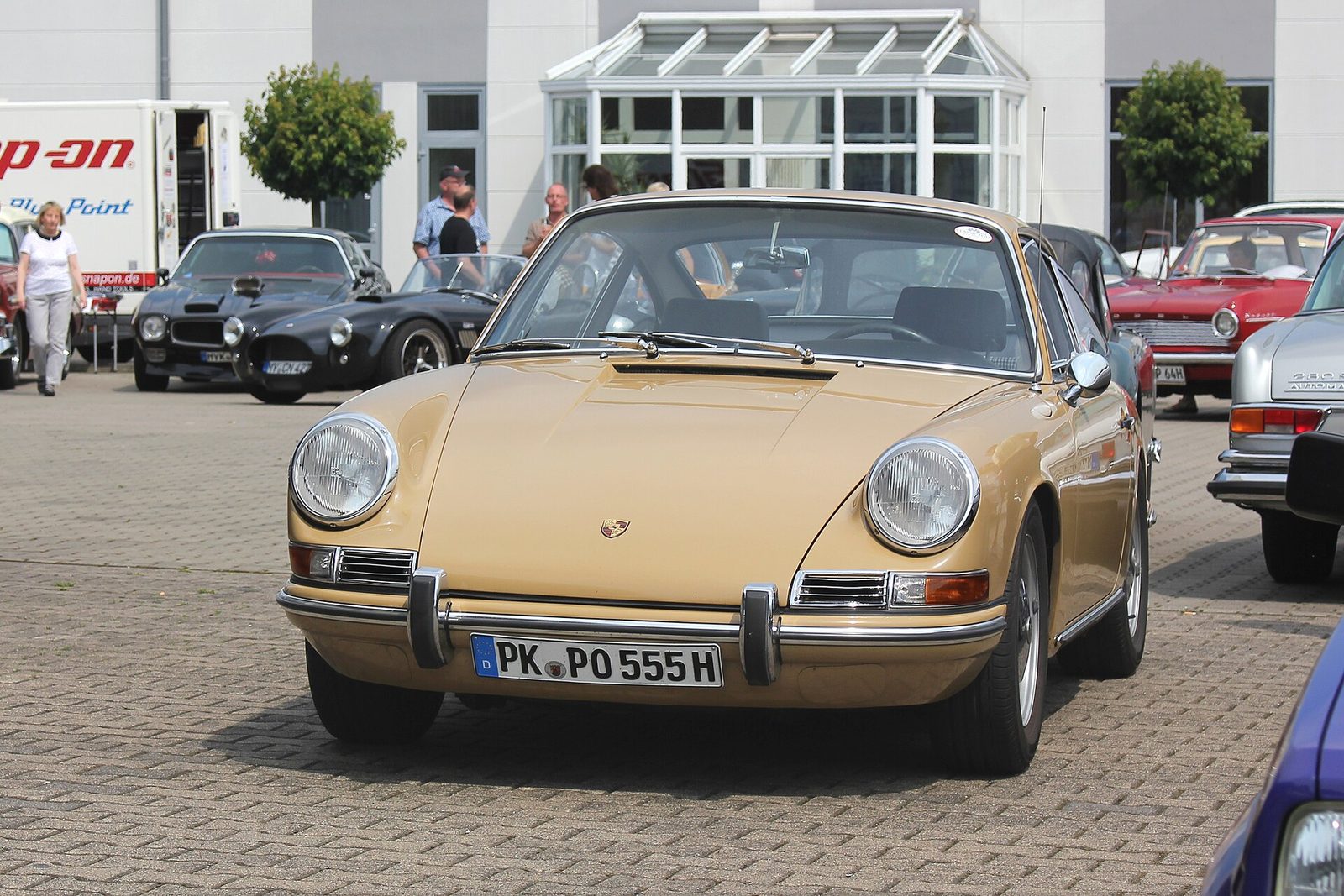
Short answerThe Porsche 902 was the internal type number for a four-cylinder version of the 901, planned alongside the six-cylinder car to replace the 356 at a lower price. Pre-production cars 13328 and 13329 were used for four-cylinder development. Sold as the Porsche 912 from April 1965, it used the 356-derived 1,582 cc Type 616/36 flat-four with 90 hp. About 32,000 were built by 1969.
- Type number
- 902documented
- Test cars
- 13328, 13329documented
- Production start
- 5 April 1965 (as 912)documented
- Built 1965–69
- About 32,000documented
When Porsche took the type number 901 for its new six-cylinder car, it reserved 902 for a four-cylinder sibling. That car sold in larger numbers than the 911 in its first years, under a different name.
What was the Porsche 902?
The Porsche 902 was the four-cylinder variant of the 901 project. The six-cylinder 901 would cost considerably more than the 356 it replaced, and Porsche needed a car for 356 buyers who wanted the new body without the new engine’s price. Porsche took 902 from the same unused Volkswagen number range as 901, explained on the Porsche type numbers page.
Were there 902 prototypes?
Yes. Among the thirteen pre-production 901s, chassis 13328 and 13329 were used as four-cylinder test cars for 902/912 development. Their later fates are not recorded in the sources we checked. The full list is on the 901 prototype chassis page.
How did the 902 become the 912?
The 902 became the 912 for the same reason the 901 became the 911: Peugeot’s objection to names with a zero in the middle. Porsche began production of the 912 coupé on 5 April 1965, and 356 production ended that September.
Porsche 912 vs 911
| Porsche 912 (1965–69) | Porsche 911 (1965) | |
|---|---|---|
| Engine | Type 616/36 flat-four, pushrod | Type 901 flat-six, overhead cam |
| Displacement | 1,582 cc | 1,991 cc |
| Output | 90 hp | 130 PS |
| Origin of engine | Derived from the 356 SC’s 616/16 | New design |
| Chassis numbers | From 350001 | From 300001 |
| Gearbox type | 902 series | 901 series |
How many 912s were built?
About 32,000 912s were built between 1965 and 1969. Annual production varied sharply, from more than 9,000 in 1966 to about 3,200 in 1967, and in some years the 912 outsold the 911. Porsche revived the name for the 1976 912E, a US-market stopgap with a 2.0-litre Volkswagen engine.
How do you tell a 912 from a converted 911?
You tell a 912 from a converted 911 by its chassis number and gearbox type, not its engine. Six-cylinder conversions of 912s are common. A 1965–1967 912 coupé carries a chassis number in the 350xxx range, and the factory record will list a 616 engine and a 902 gearbox. Check the number on the Porsche VIN decoder. Numbers from the 912’s predecessor are explained in the Porsche 356 VIN decoder guide.
Frequently asked questions
What is the Porsche 902?
The Porsche 902 is the internal type number of the four-cylinder version of the 901 project. It went on sale as the Porsche 912 in 1965 after the 901 was renamed 911.
What is the difference between a Porsche 912 and a 911?
The 912 shares the 911’s body but uses a 1,582 cc four-cylinder engine from the 356 SC instead of the 911’s 2.0-litre flat-six. It was cheaper, lighter at the rear and less powerful: 90 hp against 130 PS for early 911s.
How many Porsche 912s were made?
About 32,000 Porsche 912s were built from 1965 to 1969. A separate 912E with a 2.0-litre Volkswagen engine was sold in the United States for the 1976 model year.